Signification du mot "if in February there be no rain, it is neither good for hay nor grain" en français
Que signifie "if in February there be no rain, it is neither good for hay nor grain" en anglais ? Découvrez la signification, la prononciation et l'utilisation spécifique de ce mot avec Lingoland
if in February there be no rain, it is neither good for hay nor grain
US /ɪf ɪn ˈfɛbjueri ðɛr bi noʊ reɪn, ɪt ɪz ˈniðər ɡʊd fɔr heɪ nɔr ɡreɪn/
UK /ɪf ɪn ˈfɛbruəri ðeə bi nəʊ reɪn, ɪt ɪz ˈnaɪðə ɡʊd fɔː heɪ nɔː ɡreɪn/
Expression Idiomatique
pluie de février vaut jus de fumier (proverbe équivalent)
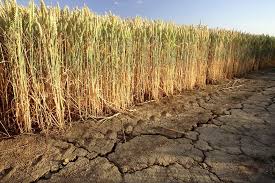
An old English proverb suggesting that rain in February is essential for a good harvest of hay and grain later in the year.
Exemple:
•
The farmers are worried about the drought because if in February there be no rain, it is neither good for hay nor grain.
Les agriculteurs s'inquiètent de la sécheresse car s'il ne pleut pas en février, ce n'est bon ni pour le foin ni pour le grain.
•
My grandfather always said, 'If in February there be no rain, it is neither good for hay nor grain,' so he's happy to see the storms today.
Mon grand-père disait toujours : « S'il ne pleut pas en février, ce n'est bon ni pour le foin ni pour le grain », il est donc heureux de voir les tempêtes aujourd'hui.